
A Practical Plan to Save the Richmond River: BES Calls for a Farm Plan Register
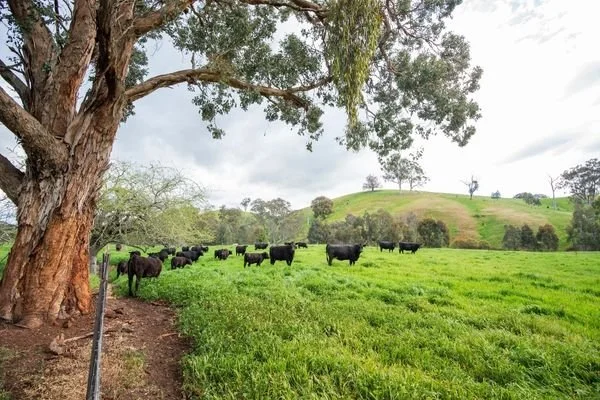
The Richmond River consistently scores D grades in Ecohealth assessments, making it one of NSW's most degraded estuaries.
BES has submitted a practical proposal to local Councils, NSW MPs, Local Land Services, Environment groups: a Farm Plan Register for NSW, designed with the farming community and piloted right here on the Richmond.
A river in crisis
The Richmond River has been in serious decline for years. The NSW Marine Estate has assessed its ecological health as worse than most estuaries in the state, and successive Ecohealth report cards have returned D and D-minus grades across multiple sub-catchments. Fish kills, acid sulfate soil events, and declining macroinvertebrate diversity paint a picture of a waterway under sustained stress.
For local residents who fish, swim, kayak, and live alongside the Richmond, this is not an abstract statistic. It is the river that runs through our community, and it is in trouble.
The problem: agricultural runoff without accountability
The Richmond River Estuary Coastal Management Study identified agricultural land use as a primary driver of the river’s decline, contributing significant sediment, chemical, and nutrient loads — particularly during rainfall and runoff events. The study also highlighted that diffuse water pollution from farming is extremely difficult to regulate, partly because of long-term acceptance of existing land uses and the absence of enforceable environmental outcomes for some agricultural industries.
The management challenge is compounded by fragmentation. The Richmond River catchment spans multiple local government areas with no single coordinating authority responsible for the river’s health. The result is a patchwork of good intentions but no coherent system for ensuring agricultural practices meet basic environmental standards.
BES’s proposal: a Farm Plan Register for NSW
BES has developed a Position Paper proposing the introduction of a Farm Plan Register for NSW. This is not a punitive measure. It builds directly on the general biosecurity duty already enshrined in the NSW Biosecurity Act 2015 — a principle that most farmers actively embrace. Farm plans would function as a practical tool to support good land management, not a regulatory burden.
The proposal recommends five key actions:
1. Introduction of a Farm Plan Act for NSW
2. Appointment of a dedicated Richmond River Commissioner
3. Designation of Local Land Services as the primary responsible agency
4. Adoption of the Richmond River as the pilot model for the Farm Plan Act
5. Design of the Farm Plan Act in partnership with the farming industry, grounded in duty of care
Crucially, BES is calling for this framework to be designed collaboratively with the farming community. The goal is not to impose top-down regulation but to give farmers a structured, supported way to demonstrate good practice — using the digital tools and agency support already available.
Why the Richmond should be the pilot
The Richmond River is an ideal candidate for a pilot program because the problems are well-documented, the science is clear, and the community urgency is undeniable. A successful pilot on the Richmond would create a replicable model for other degraded catchments across NSW. It would also give the farming community in the Northern Rivers the chance to lead the way in demonstrating that productive agriculture and healthy waterways can coexist.
What happens next
BES has formally submitted this proposal to local Councils, NSW MPs, Local Land Services, Environment groups seeking support and response. We believe a Farm Plan Register, a dedicated River Commissioner, and a collaborative approach with the agricultural sector represent the most practical path to meaningful improvement for the Richmond.
This river belongs to all of us. Its recovery requires all of us.
Download the full position paper: Agricultural pollution - a proposed farm plan register.
More resources:
Richmond River Ecohealth Report Card - https://richmondriver.org.au/report-card
Richmond River Estuary Coastal Management Program - https://rous.nsw.gov.au/wp-content/uploads/2025/03/richmond-river-cmp-scoping-study.pdf
