
Saved by Luck, Not by Law: What the Lennox Head Tree Clearing Reveals
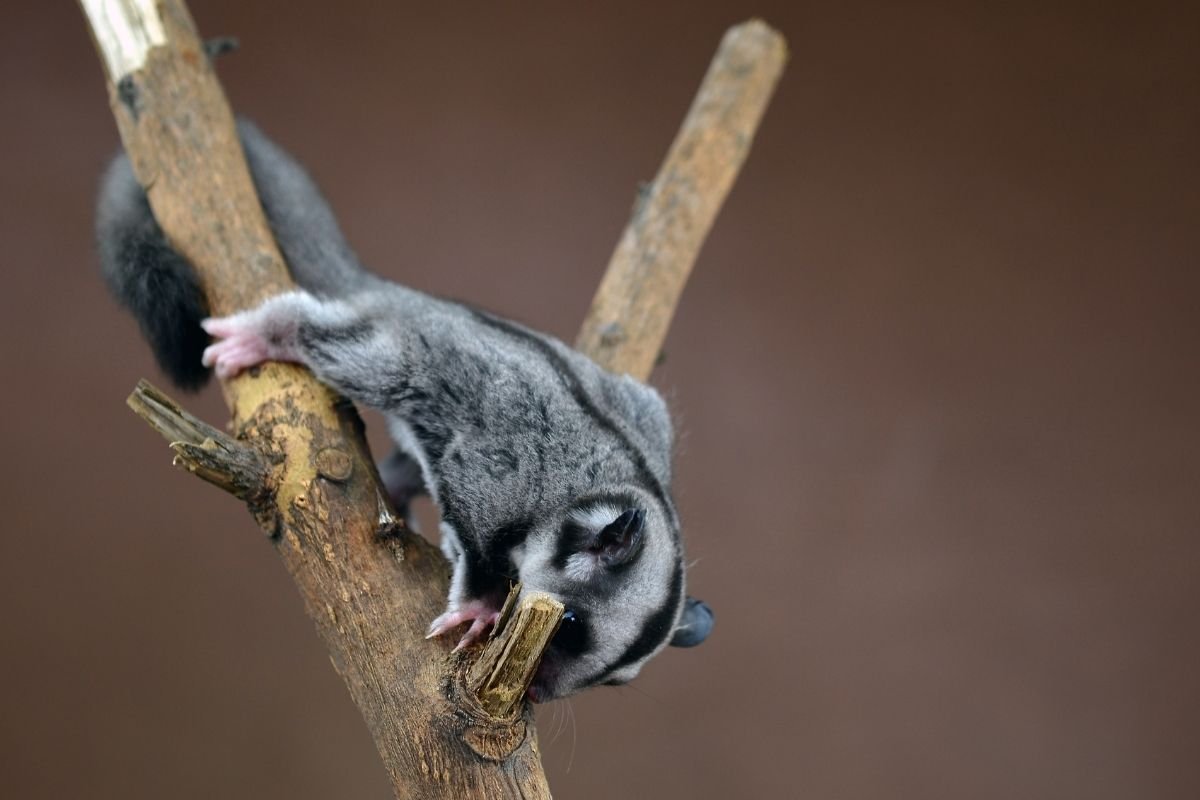
The alleged clearing of a sugar glider colony's habitat at Lennox Head has exposed serious gaps in the laws meant to protect native vegetation on rural land.
A colony survived this time only because a responsible contractor stopped work and called in wildlife carers - but good luck is no substitute for good law. BES is calling for a full investigation and for reform so that habitat protection doesn't depend on goodwill.
A colony amongst the wreckage
This month, the Ballina Environment Society has watched with deep concern as reports emerged of large-scale native tree clearing at a rural property on Ross Lane, Lennox Head.
According to the contractor, in total 71 native trees and 37 non-native trees were felled. Around 35 of those were mature native trees. Only two hollows in trees were identified and inspected with use of thermal imaging and visual inspection, without any animals detected. A native tree was felled and in the stump, below ground level several sugar gliders were discovered located in a hollow that had not been identified. The contractor paused work while wildlife carers were called in to inspect and relocate the sugar gliders and assist with searching for more. Later in the week a second group of sugar gliders were found in the stump of a non-native tree that was felled, likewise located in another hollow that had not been identified. None of the sugar gliders were injured, but all were taken to Byron Bay Wildlife Hospital for care and rehabilitation.
The alleged clearing is now under investigation by the NSW Department of Climate Change, Energy, the Environment and Water (DCCEEW).
We got lucky — and we shouldn't have to rely on luck
It's worth being clear about what prevented this from being far worse. In this instance the community was fortunate that a reputable local contractor was engaged. As confirmed to BES by a committee member who knows the contractor personally, the moment sugar gliders were discovered in the trees, the contractor stopped work and notified wildlife carers — giving the rescued gliders a chance at survival. We commend them for doing the right thing. But that outcome came down to the conscience and good judgement of the person holding the chainsaw, not to any safeguard built into the system. The next colony may not be so lucky. A framework that depends on individual goodwill, rather than enforceable protections, is a framework with a hole in it.
Why hollows matter
Sugar gliders and many other native animals depend on tree hollows that can take a century or more to form. These hollows cannot simply be replanted or replaced within any meaningful timeframe. When mature habitat is lost, the animals that rely on it pay the immediate price — and so does the long-term ecological health and connectivity of our region.
The gaps in the law
This incident shines a light on long-standing weaknesses in how native vegetation is protected on rural land in NSW — gaps that successive changes to the law have left open.
Council has no say. Because the land is zoned rural, Ballina Shire Council has no formal role in managing vegetation clearing on the site. The community's local, accountable tier of government is shut out of the process entirely.
“Allowable activities” bypass approval. Under the Local Land Services Act 2013 and the Land Management (Native Vegetation) Code 2018 — the framework that replaced the stronger Native Vegetation Act 2003 — landholders with rural-zoned land can clear native vegetation for a broad range of “allowable activities” without any approval from Local Land Services at all. Much clearing therefore happens with no prior assessment, no public notice, and no independent check on what habitat is being lost.
Habitat and wildlife aren't front and centre. Even where a clearing approval does exist, protections for animals living in the trees are not guaranteed. There is no reliable, enforced requirement that the fate of resident wildlife be assessed before mature, hollow-bearing trees come down.
Oversight is slow and after-the-fact. Responsibility for investigating alleged unauthorised clearing sits with state agencies (Local Land Services and DCCEEW), and by the time an investigation begins the trees — and the hollows — are already gone. Enforcement cannot bring back century-old habitat.
BES's position
BES supports a full and thorough investigation into this clearing, and calls for transparency and accountability so that the community receives clear answers about what was approved, and what was not.
But investigation after the fact is not enough. This case exposes structural weaknesses that no single investigation can fix. BES is calling for reform of the native vegetation framework so that: local councils have a genuine role in vegetation decisions in their shire; clearing of mature, hollow-bearing habitat cannot proceed as an unassessed “allowable activity”; independent wildlife assessment and on-site spotters are mandatory before significant clearing; and protection of native habitat does not depend on the goodwill of whoever happens to be holding the chainsaw. Native vegetation protections exist for good reason — they safeguard habitat, waterways, and the character of the place we all love. The law should make protecting them the default, not the exception.
How you can help
Report suspected illegal clearing or environmental incidents to the NSW Environment Line on 131 555 (available 24/7).
Support the wildlife — Byron Bay Wildlife Hospital treats native animals free of charge, seven days a week. Every donation over $2 is tax-deductible. Donate here.
Know before you clear — landholders should always check with Local Land Services before undertaking any vegetation clearing, and engage contractors who take their duty to wildlife seriously.
Stay informed and speak up — follow BES and add your voice to calls for stronger, better-enforced habitat protections across the Shire and the Northern Rivers.
More resources:
The Echo coverage: Alleged Lennox Head native tree removal sparks calls for action
Byron Bay Wildlife Hospital (donate): https://www.byronbaywildlifehospital.org/donate
NSW Environment Line: 131 555 (24/7)
